














A camera becomes far more rewarding once you start making photographs with purpose. Technical skills matter, but lasting enthusiasm often grows from small projects, thoughtful practice and a clearer sense of what catches your eye. You don’t need expensive equipment or hours of free time to build momentum. A phone, a nearby street and 30 focused minutes can be enough. The following ideas will help you move beyond casual snapshots and develop a photography hobby that keeps pulling you back.
Beyond Point and Shoot
Start by taking control of one camera setting at a time. Spend a week exploring aperture, then practice shutter speed the following week. Photograph the same subject with several settings and compare the results on a larger screen. You’ll quickly see how a wide aperture softens a background or how a faster shutter freezes movement.
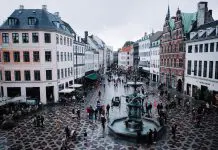
Simple assignments also give each outing a purpose. Try photographing only reflections, repeating shapes or one color for an afternoon. A self-guided photography tour offers a useful example of how a walk can become a visual exercise. Wherever you live, choose a short route and look for overlooked details instead of famous landmarks.
Review your images afterward and select just three favorites. A small edit forces you to identify what worked.
Finding Your Unique Style
Your style begins to emerge when you notice patterns in the pictures you keep. Create a folder containing 20 images you genuinely like, including your own work and photographs by other creators. Look for recurring qualities such as muted colors, strong shadows, candid expressions or carefully ordered compositions. This exercise gives you practical clues without forcing you to adopt a label too early.
Resources about photography style can help you recognize those visual preferences. You can also browse Lumenira to discover photography from creators worldwide and observe how different artists handle similar subjects.
Pick one quality from your folder and explore it for a month. If dramatic light appears repeatedly, schedule shoots during early morning, late afternoon and rainy weather. Consistent experiments will make your preferences easier to recognize.
Learning from Master Photographers
Study accomplished photographers actively instead of scrolling through their pictures. Choose one image and spend five minutes examining the light, framing, timing and distance from the subject. Then write down three details that shape the photograph’s mood. This close reading trains your eye to spot decisions that are easy to miss at first glance.
Recreating an image’s basic structure can be a useful exercise. You might study a portrait lit by a window, then make your own version with a friend at home. Keep the setting simple and focus on understanding the light. The finished photograph should reflect your subject and surroundings, not serve as a copy.
Books, gallery exhibitions and interviews reveal how photographers develop long-term projects. Keep brief notes about techniques you want to test, then bring one idea to your next shoot.
Connecting with a Photo Community
Sharing work with other photographers creates accountability and gives you access to useful feedback. Look for a local photo walk, community class or online group that welcomes your experience level. Smaller communities often produce better conversations because members become familiar with one another’s work.
Ask specific questions when requesting feedback. “Does the bright area pull attention away from the subject?” will produce clearer advice than “What do you think?” Offer equally thoughtful comments to others by describing what holds your attention and where the composition feels unclear.
You could also organize a monthly challenge with two or three friends. Agree on a theme, set a deadline and share five images each. Themes such as doorways, morning routines or changing weather are broad enough to allow different interpretations. Over time, these shared assignments turn photography into a regular social practice instead of an activity that depends on spare time and inspiration.
Passion grows through close attention. Take your camera somewhere familiar this week and photograph one subject in ten different ways. The tenth frame may reveal an idea that the first easy snapshot never could.