
















Putting off small tasks is a common habit, but when it comes to maintenance, “out of sight, out of mind” can quickly turn into a real headache for your wallet. That strange noise from the boiler or the peeling paint on the window frame might seem minor today, an easy thing to put off until next weekend or next month.
Yet, this pattern of neglect, whether at home or in business, almost always leads to bigger expenses, more stress, and major disruption down the line. Staying on top of upkeep isn’t just about fixing things; it’s a smart way to protect your finances, your peace of mind, and your safety.
The Trap of Delayed Action
It’s super easy to get caught in the trap of delaying maintenance. A small issue rarely feels urgent, so we talk ourselves into putting it off. We might say we’re too busy, it’s not a priority, or we’ll get to it when we have more time or money. But here’s the thing: this delay lets minor problems grow into major ones. A tiny leak in a pipe, if ignored, can lead to serious water damage, mould, and a really expensive plumbing emergency.
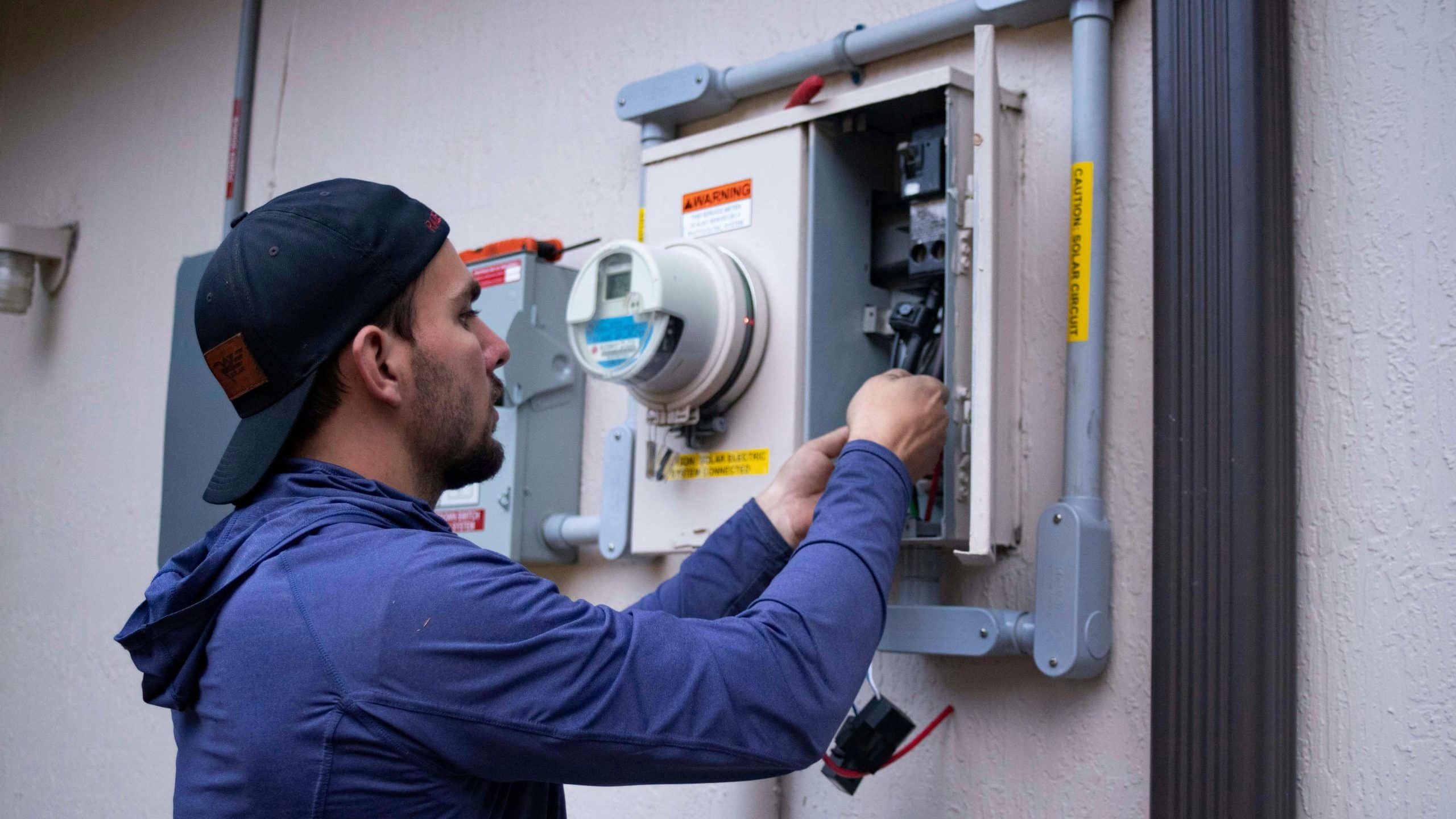
This idea pretty much applies to everything we own and manage. What starts as a simple, inexpensive fix often turns into a complicated and costly repair. The true cost of delayed repairs isn’t just the final bill; it includes all the extra damage and the hassle it causes in your life. That flickering light bulb you ignored could be a sign of a serious electrical fault that, if left unchecked, poses a fire risk. Catching things early stops this expensive cycle.
Business Downtime and Expenses
In a business setting, ignoring maintenance can have even tougher consequences. When essential equipment breaks down, everything can just stop. Imagine a cafe owner who keeps ignoring a struggling coffee machine, only for it to completely conk out during the morning rush. The cost isn’t just the repair; it’s the lost sales, the frustrated customers who go elsewhere, and the ding to the cafe’s reputation.
These hidden costs of deferred maintenance can really hurt a business. An office with a broken air conditioning system during a heatwave will see productivity drop like a stone. A manufacturing plant with poorly maintained machinery faces not only expensive repairs but also production delays that can mess up client contracts. Being proactive about upkeep isn’t an expense; it’s an investment in keeping things running smoothly and staying profitable.
Critical Safety System Recertification
Beyond money and operations, neglecting maintenance can also create serious safety issues. Many systems in our homes and workplaces are designed to keep us safe, but they need regular checks and certifications to work properly. This is a legal and moral responsibility we can’t just brush aside. For example, fire alarm systems, emergency lighting, sprinkler systems, and even roof anchor point installation must be tested regularly to make sure they’ll actually work in an emergency.
The same goes for workplace safety gear. For buildings with roof access for maintenance, this means regular checks and certification of all fall protection systems. Ignoring this doesn’t just put lives at risk; it also exposes building owners to big legal penalties and can even invalidate insurance policies.
Impact on Personal Well-being
The stress of living or working in a place that’s falling apart shouldn’t be underestimated. Constantly worrying about what might break next creates a low hum of anxiety. This low-level stress can mess with your sleep, your mood, and your ability to focus on other parts of your life. It’s that feeling of being on edge, waiting for the other shoe to drop, or in this case, for the ceiling to leak.
When a major failure finally happens, it brings a sudden financial shock and logistical chaos. Dealing with emergency repairs, insurance claims, and major disruption is incredibly draining. This reactive, crisis-driven way of living takes a big toll on our mental and emotional energy. On the flip side, a well-maintained environment gives you a sense of calm, control, and security, freeing up your mental energy for more positive things.
Building a Culture of Consistency
Moving from a “fix it when it breaks” mindset to a proactive one means building new habits. It’s about creating a culture of consistency where small, regular actions prevent big, messy problems. This approach is good for both your personal life and any business you run.
Here are a few simple steps to get started:
- Make a schedule: For your home or business, create a simple checklist of monthly, quarterly, and annual maintenance tasks. This could include everything from cleaning gutters to servicing the boiler.
- Budget for upkeep: Set aside a small amount of money each month specifically for maintenance. This turns a potential financial crisis into a predictable, manageable expense.
- Deal with issues right away: When you notice something’s wrong, make it a rule to address it within a week. The sooner you act, the simpler and cheaper the solution will likely be.
- Empower your team: In a business setting, encourage employees to report potential issues without fear of blame. They’re your eyes and ears on the ground and can spot problems before they get out of hand.
Consistent maintenance is a practice in mindfulness and responsibility. It shows respect for your environment, your finances, and your own well-being. By tackling small problems head-on, you stop them from ever becoming big ones.