

















Navigating electrical safety as a tourist can be daunting. You’re in unfamiliar territory, and the last thing you need is an electrical mishap ruining your trip. Let’s ensure your safety with key tips.
Worried about faulty wiring or unsafe outlets? You’re not alone. Awareness and precaution are vital to avoid shocks or fires while exploring new destinations. Stick with us for practical solutions.
For expert advice in Melbourne’s northern suburbs, check out thelocalelectrician.com.au. They offer trusted guidance to keep you safe, ensuring your travels remain worry-free and secure.
Preparing for Safe Travel
Getting ready for a holiday trip is exciting, but ensuring your home’s electrical safety before leaving is crucial. Let’s dive into some practical steps.
- Install Smart Devices: Equip your home with smart cameras, doorbells, and plugs to monitor and control things remotely for added security.
- Energy-Saving Habits: Turn off lights, unplug appliances, and close curtains to save energy and reduce risks while you’re away.
- Set Up Cameras: Place indoor and outdoor cameras at key spots like doors and driveways to keep an eye on your property.
- Holiday Lights Safety: Use LED lights outside for cheer and deterrence, but consult a pro to avoid wiring hazards.
These preparations can make a huge difference in keeping your home safe. A little effort now means peace of mind during travel.
Choosing the Right Adaptors
Traveling abroad often means dealing with different outlets. Picking the right adaptor ensures your devices stay powered without any electrical mishaps.
Understanding Adaptor Types
Different regions use unique plug shapes. Researching your destination’s outlet type helps in selecting a compatible adaptor for seamless charging.
Check Voltage Compatibility
Ensure your adaptor matches the voltage range (like 110-240V) of your device. Dual-voltage adaptors are ideal for international travel needs.
Consider Device Specs
Match the adaptor’s output to your device’s input requirements. Check labels or manuals to avoid damaging your electronics with mismatched power.
Opt for Quality
Invest in adaptors from reputable brands. Cheap options might fail or pose safety risks, so prioritize quality for reliable performance.
Handling Small Electrical Devices
Small gadgets like chargers and hair dryers are travel essentials, but mishandling them can be risky. Let’s ensure safe usage on the go.
- Read Instructions First: Always check the manual for proper use. Even a slight shock means it’s time to stop and inspect.
- Avoid Overloading Outlets: Don’t plug too many devices into one socket. Overloading can spark fires, so spread out usage wisely.
- Inspect Before Use: Look for frayed wires or damaged plugs. If anything seems off, don’t risk it—replace or repair immediately.
- Unplug When Done: Disconnect devices after use. This simple habit prevents overheating and saves energy while you’re out exploring.
Staying cautious with small devices keeps your trip smooth. A quick check can prevent big problems, so make safety a priority.
Navigating Power Outage Scenarios
Power outages can strike unexpectedly during travel, especially in unfamiliar places. Being prepared helps manage these disruptions with minimal stress.
Prepare an Emergency Kit
Pack flashlights, batteries, and a portable charger. Having these ready ensures you’re not left in the dark during an outage.
Know Local Resources
Research emergency contacts or shelters at your destination. Knowing where to turn for help can make a big difference in crises.
Protect Electronics
Unplug devices during outages to avoid surge damage when power returns. A small precaution can save costly repairs later on.
Stay Informed
Keep a battery-powered radio or app for updates. Staying aware of outage duration or warnings helps plan your next steps.
Managing Holiday Lighting Risks
Holiday lights add festive charm, but they can pose electrical risks. Taking precautions ensures your celebrations stay safe and bright.
- Inspect Before Hanging: Check strings for frayed wires or broken bulbs. Discard damaged sets to prevent shocks or fires.
- Use LED Lights: Opt for energy-efficient LEDs. They’re cooler, reducing fire risks compared to traditional bulbs during long displays.
- Avoid Overloading Circuits: Don’t connect too many strands together. Spread them across outlets to prevent dangerous overheating issues.
- Outdoor Safety First: Use weatherproof lights outside and secure cords away from water. Wet conditions amplify electrical hazards significantly.
Keeping holiday lighting safe is easy with these tips. Enjoy the glow without worry by staying mindful of electrical limits.
Safe Use of Space Heaters
Space heaters are handy for chilly destinations, but improper use can lead to fires. Let’s cover how to stay warm safely.
Choose Certified Heaters
Pick models with safety labels from recognized labs. This ensures they meet standards to minimize risks during operation.
Keep Clear Space
Maintain a three-foot buffer around heaters. Keep flammable items like curtains or papers far away to avoid ignition.
Direct Plugging Only
Always plug heaters straight into wall outlets. Avoid extension cords or power strips, as they can overheat and spark fires.
Never Leave Unattended
Turn off heaters when leaving the room or sleeping. Unsupervised units are a major cause of accidents, so stay vigilant.
Identifying Safe Power Lines
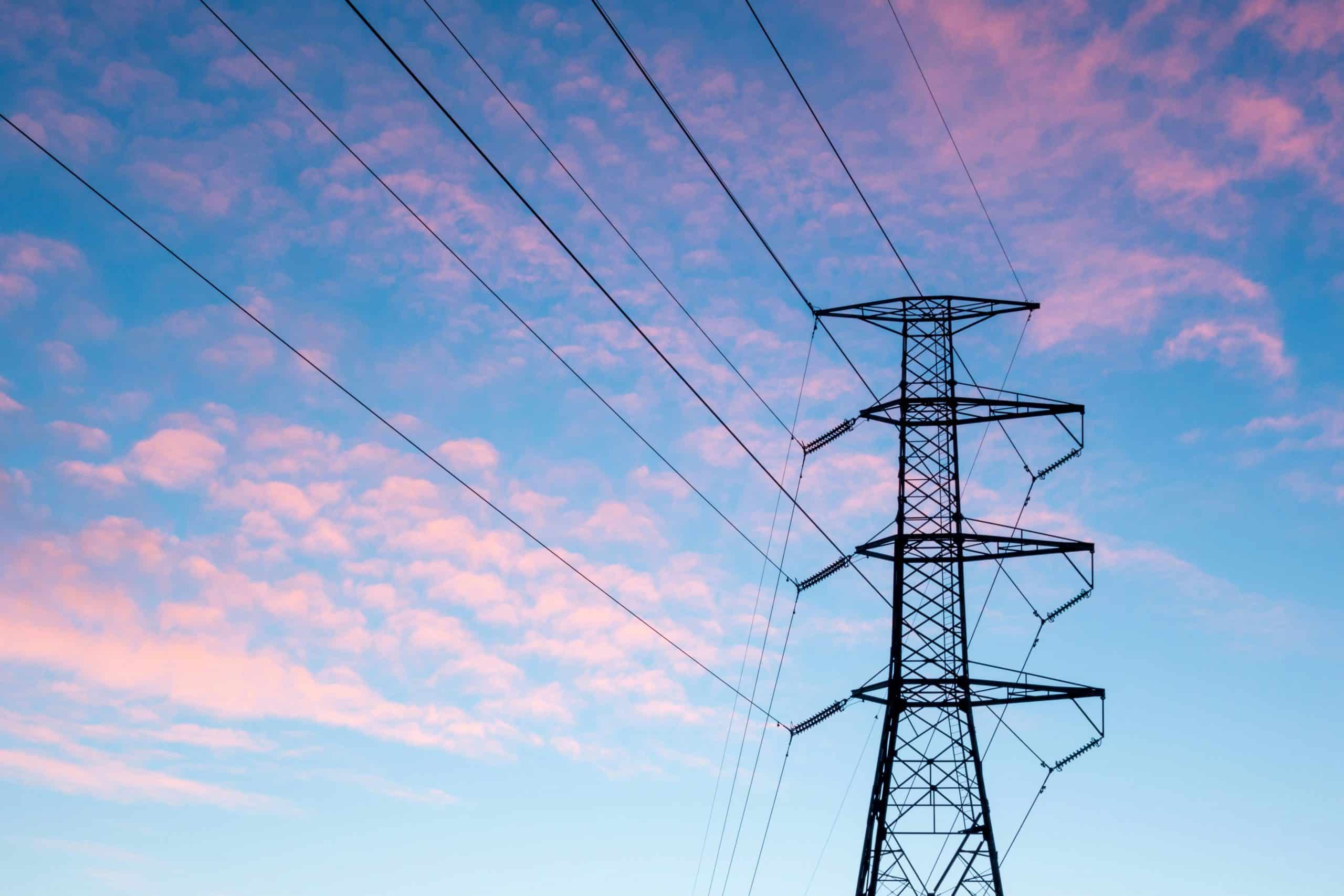
Power lines are everywhere, and getting too close can be deadly. Knowing how to spot and avoid risks is essential while traveling.
- Maintain Safe Distance: Stay at least 10 feet away from overhead lines. Electricity can arc to you without direct contact.
- Watch for Downed Lines: Assume fallen lines are live. Keep 35 feet away and shuffle, don’t run, to avoid shocks.
- Avoid Touching Victims: If someone’s in contact with a line, don’t touch them. Call 911 immediately to prevent becoming a victim.
- Be Cautious Near Water: Don’t step in puddles near downed lines. Even small amounts of water can conduct deadly currents.
Power line safety is non-negotiable. Staying aware and keeping distance can save lives, so always prioritize caution near electrical infrastructure.
Securing Cords and Outlets
Loose cords and overloaded outlets are common hazards in temporary travel setups. Securing them properly prevents accidents and fires.
Inspect Cords Regularly
Check for frayed or cracked cords before plugging in. Damaged ones should be replaced to avoid shocks or short circuits.
Avoid Overloading
Don’t plug multiple devices into one outlet or cord. Overloading can overheat systems, so distribute power needs wisely.
Proper Cord Placement
Keep cords out of walkways and doorways. Covering them traps heat, increasing fire risks, so always leave them exposed.
Choose Approved Products
Use cords and strips certified by testing labs. Quality products reduce risks, ensuring safer temporary setups during your travels.
Checking Fuses and Breakers
Tripped breakers or blown fuses can disrupt power at your accommodation. Knowing how to check them safely is a handy skill.
Safety First
Ensure hands and floors are dry before touching panels. Wet conditions heighten shock risks, so take precautions every time.
Locate the Panel
Find the service panel, often in basements or garages. Open it to spot tripped breakers or blown fuses inside.
Reset or Replace
Reset breakers by flipping to “OFF” then “ON.” For fuses, replace with identical ratings to prevent wiring damage or fires.
Seek Professional Help
If issues persist or wires are exposed, don’t DIY. Contact a pro or local service for safe resolution of problems.
For more detailed guidance on preparing your home’s electrical systems before travel and tips on choosing adaptors for international trips, visit CDW’s guide.
Stay Safe Always
Ensure your travels remain safe by prioritizing electrical safety. Double-check adaptors, secure cords, and handle devices cautiously. Be prepared for outages, manage holiday lighting, and use heaters wisely. Stay vigilant around power lines, and inspect fuses regularly. Your safety is paramount—travel smart and stay protected!