

















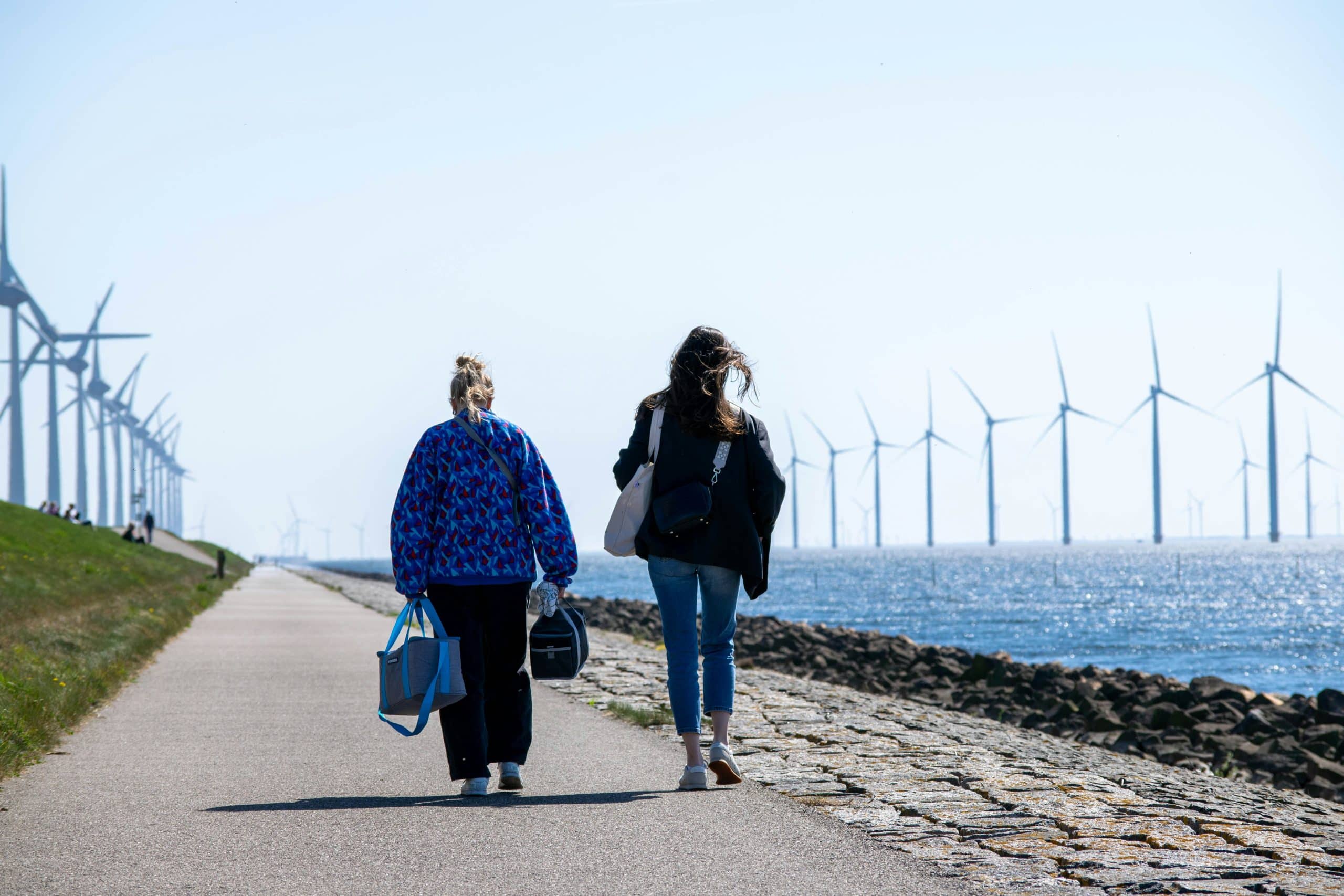
Exploring a new place is one of life’s greatest joys, isn’t it? You get to see amazing sights, try delicious new foods, and dive into different cultures. As travellers, we’re all becoming more aware of the mark we leave on the places we visit. Making thoughtful choices can really help keep these spots beautiful and vibrant for years to come. Sustainable travel isn’t about giving up fun; it’s actually about making your experience richer while making sure the destinations we adore can truly thrive.
Why Eco-Travel Matters
Think of sustainable travel as finding a sweet spot. It’s about making choices that are good for the environment, helpful for the local economy, and respectful of the community you’re visiting. For popular places, tourism can put a lot of pressure on things. It might strain local resources like water and energy, add to pollution, and even wear down historic sites. As a beginner’s guide to sustainable travel points out, the main idea is to leave a place as good as, or even better than, you found it. This way, a region’s unique charm stays protected, letting both locals and future visitors enjoy it.
Choosing Greener Transport Options
How you get around makes a huge difference to your travel footprint. For shorter distances, consider hopping on a train instead of flying; trains usually produce much less carbon per passenger. Once you’re at your destination, walking, cycling, and using public transport are brilliant ways to explore the heart of a city. Not only are they eco-friendly, but they also give you a closer look at hidden alleys and local hangouts.
If you’re heading out to the countryside or more remote coastal areas, a car might be essential. When you rent one, try to pick the most fuel-efficient model available. Modern hybrid cars are a fantastic choice, cutting down fuel use and emissions a lot compared to traditional petrol or diesel engines. For instance, the upcoming 2027 Toyota Prius is designed with clever hybrid tech, making it a responsible choice for exploring beyond the city limits without skimping on comfort or style.
Lowering Your Carbon Footprint
Small, everyday actions can really add up. Remember the “leave no trace” idea? It applies just as much in a busy city as it does in a national park. You can start by packing a reusable water bottle and a tote bag to steer clear of single-use plastics, which are a big source of pollution. In your hotel or guesthouse, be mindful of how much energy and water you’re using. Switch off lights and air conditioning when you leave the room, and reuse your towels for a few days instead of having them washed daily. These simple habits help save precious local resources and are key to eco-friendly tourism options.
Supporting Local Businesses
One of the most rewarding parts of travelling responsibly is directly supporting the local economy. When you choose to eat at a family-run restaurant, buy souvenirs from a local artisan, or hire a guide from the community, your money stays right there in that destination. This helps keep local livelihoods going and preserves traditional skills. Try to avoid big international chains if you can, and instead seek out authentic experiences. Pop into a local market to taste regional produce, grab a coffee at an independent café, and ask people who live there for their recommendations. It’s a brilliant way to get a real feel for the local culture while making a positive financial impact.
Respecting Local Culture
Being a sustainable traveller also means being a thoughtful guest. Every place has its own unique customs, traditions, and social rules. Before your trip, take a moment to learn a few basic phrases in the local language, like “hello,” “please,” and “thank you.” This small effort is often really appreciated and can open doors to more meaningful conversations. Be aware of the local dress code, especially if you plan to visit religious sites. And always be considerate when taking photos, particularly of people; it’s polite to ask for permission first. By showing genuine curiosity and respect, you help create a positive exchange between visitors and the host community.
By bringing these simple practices into your adventures, your trips can become more than just a holiday. They become a way to connect more deeply with the world and help protect it for everyone.